Wednesday, December 12, 2012

 
Have you ever seen a butterfly?
 
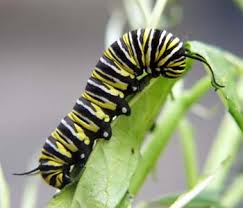
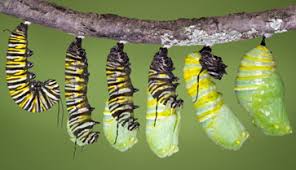
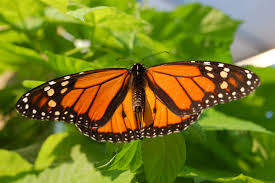
How a caterpillar becomes a butterfly
 
1. A butterfly lays an egg
2. The egg hatches into a caterpillar
3. The caterpillar makes a chrysalis, the caterpillar stays in the chrysalis and forms into a butterfly
4. The chrysalis splits and the butterfly comes out


The Butterfly Cycle Song!


What is a Carnivore?
 
- An animal that feeds on meats.
 
What is a Herbivore?
 
- An animal that feeds chiefly on grass and other plants.
 
What is an Omnivore? 
 
- An animal that feeds on both meat and plants.

 
What kind of eater are you?


Click here to visit an awesome website with worksheets, games and activities to learn more about omnivores, herbivores and carnivores!


What helps a plant grow?
 
A plant needs needs many things to help it grow just like you need many things to help you grow! But first, what makes a flower.. a plant? A plant is made up of a stem, leaves, roots, seeds and flower peddles. A flower needs sunlight, water, air, and soil to grow. These help provide food for the plant. Just like how you need to eat food to help you grow and be strong!
 
Some great books to read with your child:
 
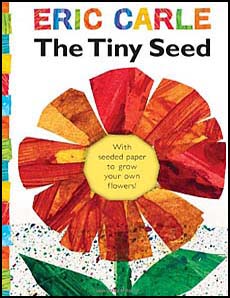
This book is about a tiny seed and its journey
against nature and man to become a flower.
 
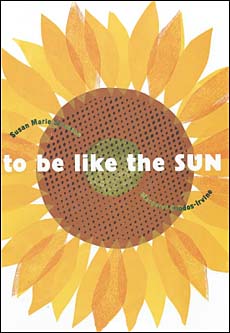
To Be Like the Sun
 
This book is about a little girl who plants a
sunflower seed and watches it grow through the
seasons from a seed to a plant.
 
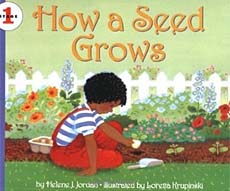
How a Seed Grows
 
This book shows the steps to growing a plant
in a garden and how it grows from just a tiny seed.
 
 
 Now that you know what it takes to grow a plant, why don't you try it out for yourself!

Tuesday, December 11, 2012

What is a Magnet?
 
 
Magnets are objects that produce an area of magnetic force called a magnetic field
 
Magnets are made up of iron, nickel or cobalt.
 
Magnets only attract certain types of metals. Magnets do not attract to other materials such as: glass, plastic and wood.
 
Magnets have a north end and a south end, that either pull other metals made up of iron, nickel or cobalt in or push them away.
 
 
Ever wonder how it rains?
Me too!
 
Well, the water on Earth is used over and over and over again. This is called the "Water Cycle"
 
The Water Cycle consist of 4 steps: Evaporation, Condensation, Precipitation and Collection. Now I bet you are wonder "what do all those big words mean?!" Don't worry, I'll help explain.
 
1. Evaporation- is when the sun heats up bodies of water on Earth and that vapor goes into the air.
2. Condensation-  is the water now in the air getting cold and forming what we see in the sky, clouds.
3. Precipitation- is when the clouds are full of water and can't hold anymore. So it rains or snows!
4. Collection- now all the water is back on the ground and is absorbs by plants and animals. Then it starts all over again!


Create your own evaporation!
Fill two glass cups: one with water and one with ice and water, mark how full the glass is with tape. Leave the glass cup in a room where sunlight is available. Wait one full day and see if the amount of water changed in the cup! If it did you just created your own evaporation! Leave the cup out longer and see how much water evaporates after a few days.
The three R's:
Reduce, Reuse, Recycle
 
What does it mean to reduce?
This means use less plastic, paper, and cans.
 
What does it mean to reuse?
This means something will be used more than once.
 
What does it mean to recycle?
This means dividing materials up into separate bends, such as paper, plastic, glass or metal. These materials can be taken to a factory to be used to create a new


Parents! What can you do to help teach your child more about the 3 R's? Challenge your child, see who can recycle more at the end of the week and keep track on the refrigerator to see who wins!


Click here to take the recycling quiz!
WARNING: Adult help is needed.
 
 
Is it Living? Or is it Non-Living?


What makes something living?

- Have cells
- Needs food for energy
- Grows
- Can reproduce
- Experiences change

EXAMPLES: Tree, Animals, Plants, Insects, Fungus and YOU!

What makes something Non-living?

- No cells
- Do NOT need food
- Does NOT grow or repair self
- Can NOT reproduce
- Stays the same

EXAMPLES:  Chair, Table, Water, Rocks, TV and Cars!

An Activity:
Get a blank white sheet of paper, divided the paper down the middle and label each half of the paper.

 
Click here to print sheet with Living and Non-Living items. Then cut each item separately and glue each under the correct column.
Image from Google

What is the Life Cycle?
The Life Cycle is the series of changes in an organisms life.

The Frogs Life Cycle!
The female frog first lays eggs in a pond or a wet area. These eggs are called the spawn (seen in the image). The eggs grow for 21 days then hatch and are now called tadpoles. These tadpoles look more like fish then frogs! They have long finned tails anf breathe through gills. The tadpoles then grow more and develop front legs and back legs. Now looking more like a frog we see. Their tails become smaller and they are able to swim to get air to breathe. After 11 weeks the frog is there! Now the froh has lungs, the tail is gone and their legs are both grown!

Click here to print Frog Cycle activity!
 
For this activity, the frog, the egg and the 4 stages separately need to be cut out.
 
Now, glue the bottom half of the egg to create a pocket like holder on the back of the large frog.
  
Now the kids can color the pictures and parents can work with the child to put the images in order. Then when done, the child can place the 4 cycle steps in the pocket created on the back of the frog! 

Monday, December 10, 2012


During this season it rains a lot, new plants begin to grow. Leaves and flowers begin to bloom. You might need a jacket and rain boots! This season is Spring.

During this season it is sunny, hot, green grass, new plants are grown, the leaves on the tree are green and most people enjoy the pool to cool down! This season is Summer!

During this season the leaves begin to change colors such as orange, yellow, red and brown. The temperature outside begins to cool down. This season is Fall

During this season the temperature begins to get very cold, sometimes it'll even snow! The trees lost all their leaves and you'll need to bundle up with a coat! This season is Winter!


LETS GET CRAFTY AND MAKE OUR OWN SEASON TREE!
The help of an adult is needed for this activity.

For the my seasons tree activity, you need to cut out 3 tree shape patterns of the same. Then staple the tree shapes together to create a book. Lable each season on the tree on the pages. Use different colors of torn papers according to the leaves colors during that season. Children can also use markers or crayons to create their own seasons tree book. Craft idea from this link.
    In the animal Kingdom insects belong to the Phylum Arthropoda.
- Insects have a hard external skeleton.
- They have six legs and two antenna.
- Insects hate eggs.
- Some have wings, some do not.
 
Click Here To Explore An Insect PowerPoint

WARNING: The following PowerPoint above is recommended to be done with the assisstance of an adult (:


                                                        Click Here to print off worksheet!!